EVERYDAY STORIES
You’ve received money
An unexpected electronic deposit appears in your messages. Before you accept it or reply, it helps to understand what is going on.
01
The scene
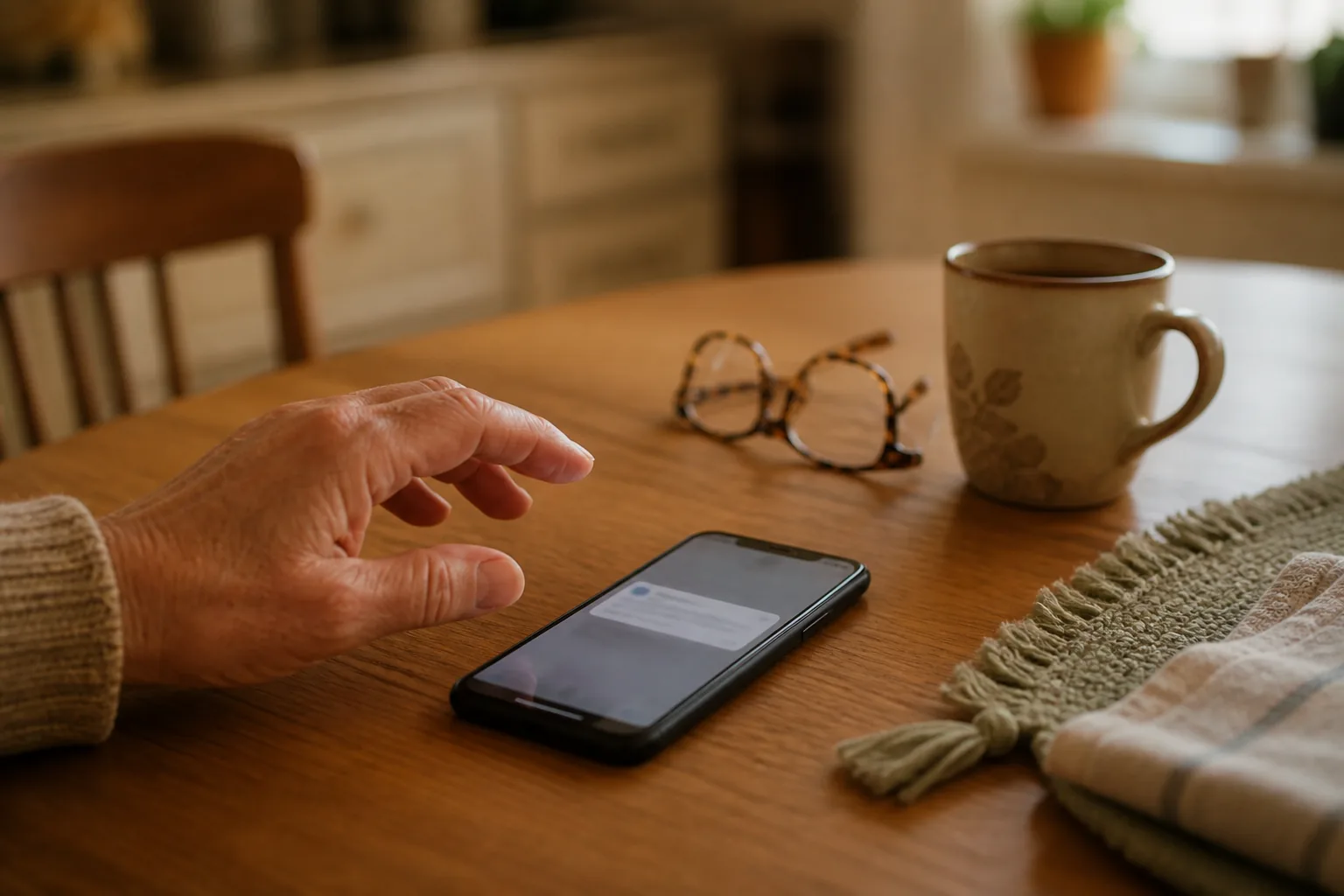
Your phone buzzes. "You received a transfer of $850." You weren't expecting anything. Minutes later: a message or a call. "Mistake! It was meant for someone else. Accept the deposit, then send the money back — I'll handle the rest." It sounds simple. Polite. Urgent. You don't want to keep what isn't yours.
02
In the room
On stage, the character's honesty becomes the trap. The room recognizes the reflex: help, fix, do the right thing. Then the replay: don't accept the deposit, call your bank on a number you know, talk to someone you trust. You see right away what changes.
03
The right habits
01
Don't accept an unknown deposit
If you weren't expecting the money, leave it. Contact your financial institution yourself.
02
Never send money back "to fix it"
Scammers often use stolen funds. Sending money on can mean losing yours — and becoming part of the fraud.
03
Talk before you act
Bank, loved one, trusted staff: a calm check is better than a quick gesture "to help."
Keep these in mind
- Don't accept an unknown deposit.
- Never send money back "to fix it."
- Talk before you act.
04
Same scene, different ending
People remember the notification that seemed harmless — and the replay: phone down, bank reached on the right number, nothing sent back. That "error" is not yours to fix that way.
Wanting to correct a mistake is generous. Scammers count on that. Checking before you accept or send is the truly responsible move.