CYBER THEATRE
Cybersecurity, explained differently.
Through short scenes inspired by real situations, we demystify the techniques fraudsters use and show the right everyday reflexes to adopt.
Cyber Theatre
Theatre
Scenes drawn from real life
Discussion
Talk it through to understand
Prevention
Simple reflexes that stick
Community
A project that brings all ages together
OUR APPROACH
Understanding is good. Seeing it is even better.
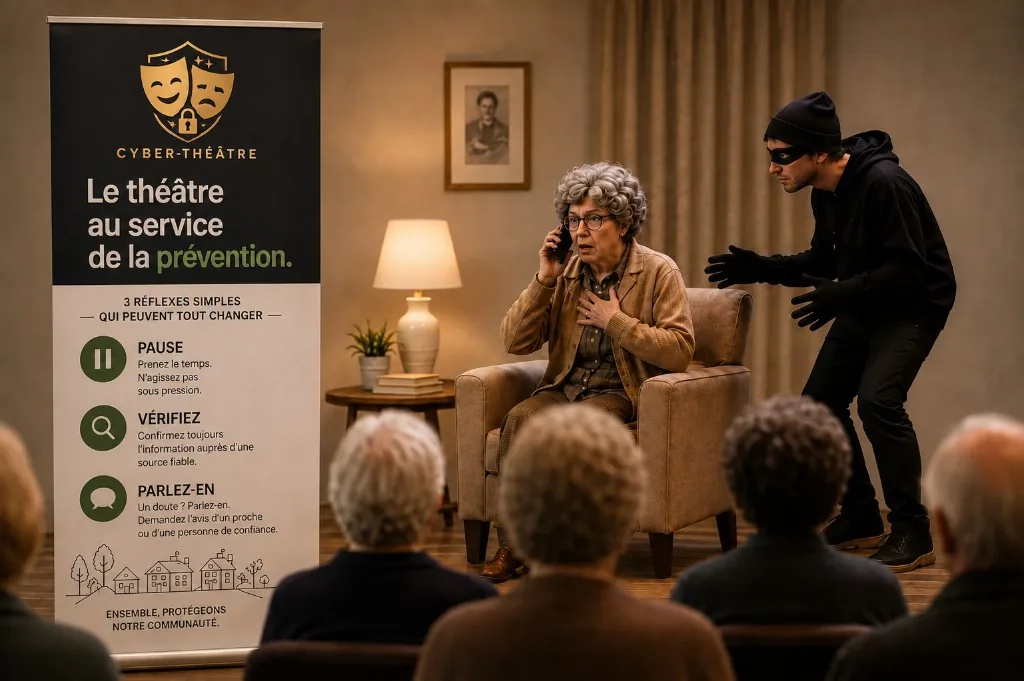
Our scenes bring to life the situations victims really face. By unpacking them together, participants leave with habits they can recognize in everyday life.
01
What if it were you?
It all starts with a simple question: “What would you do in this situation?” No jargon. Just a story that feels like real life.
02
Fraud comes to life
Our young actors play out an attempted scam the way it really happens. The phone rings. A message arrives. Someone asks for help. The scene unfolds before your eyes.
03
Understanding together
When the scene ends, we take time to talk. We ask questions, share experiences, and uncover the strategies fraudsters use.
04
The right habits
Next we share simple, concrete habits that are easy to remember. Advice everyone can use the very next day.
05
What if we started over?
The scene is played a second time. This time the characters pause, verify, and talk it through. You see right away what changes.
06
Habits for life
You don’t leave with just a list of tips. You leave with a story, striking images, and habits you’ll recognize when a similar situation comes up.
YOUTH AT THE HEART OF THE PROJECT
A meeting between generations
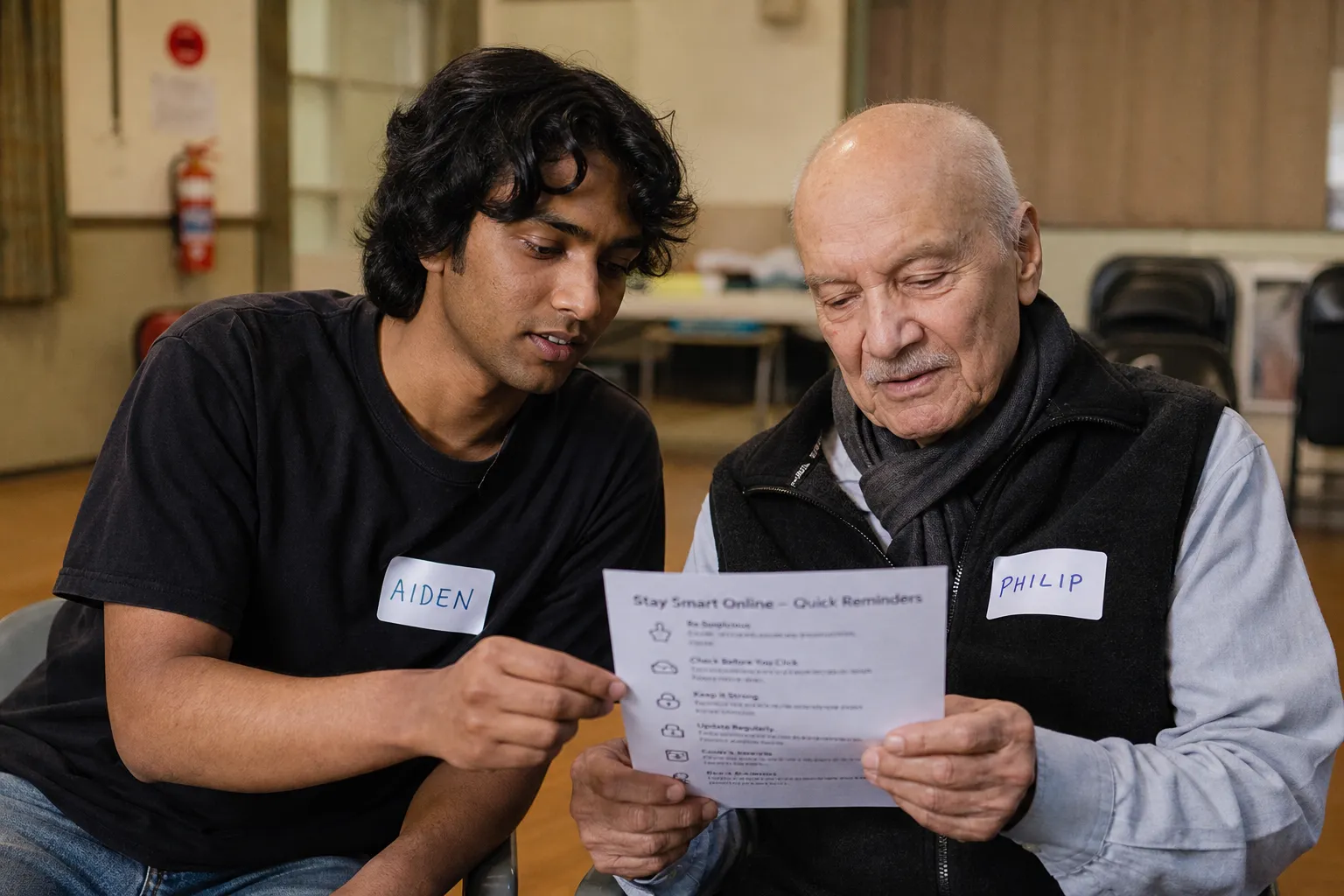
Cyber Theatre is first and foremost a community project.
Young people from different organisations take the stage to play out situations inspired by real frauds. After each scene, they talk with participants and answer questions in plain, accessible language.
By sharing their knowledge and ease with technology, they help make our community safer.
GOOD HABITS
Three simple reflexes that can prevent most frauds.
01
Pause
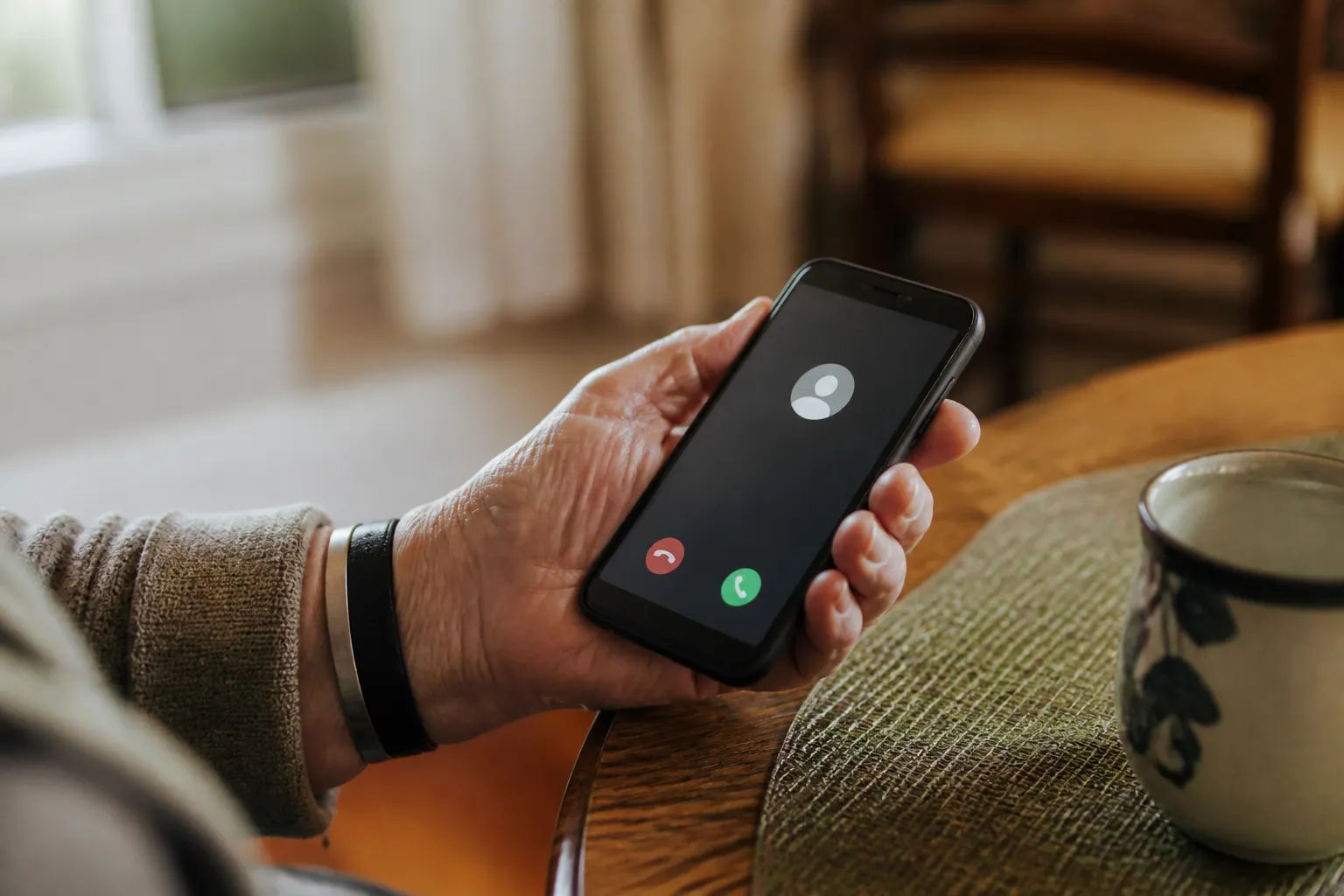
The best defence is not to act in a rush. Fraudsters create a sense of urgency. Take a few moments to breathe before you answer or click.
02
Check
Always confirm the information with a source you trust. Call your bank, a loved one, or the organisation involved using a number you already know — never the one given in the message.
03
Talk it over
A shared doubt is better than a regretted mistake. Talk with a relative, a neighbour, or a staff member. A few minutes of conversation can prevent serious consequences.
Discover our scenes
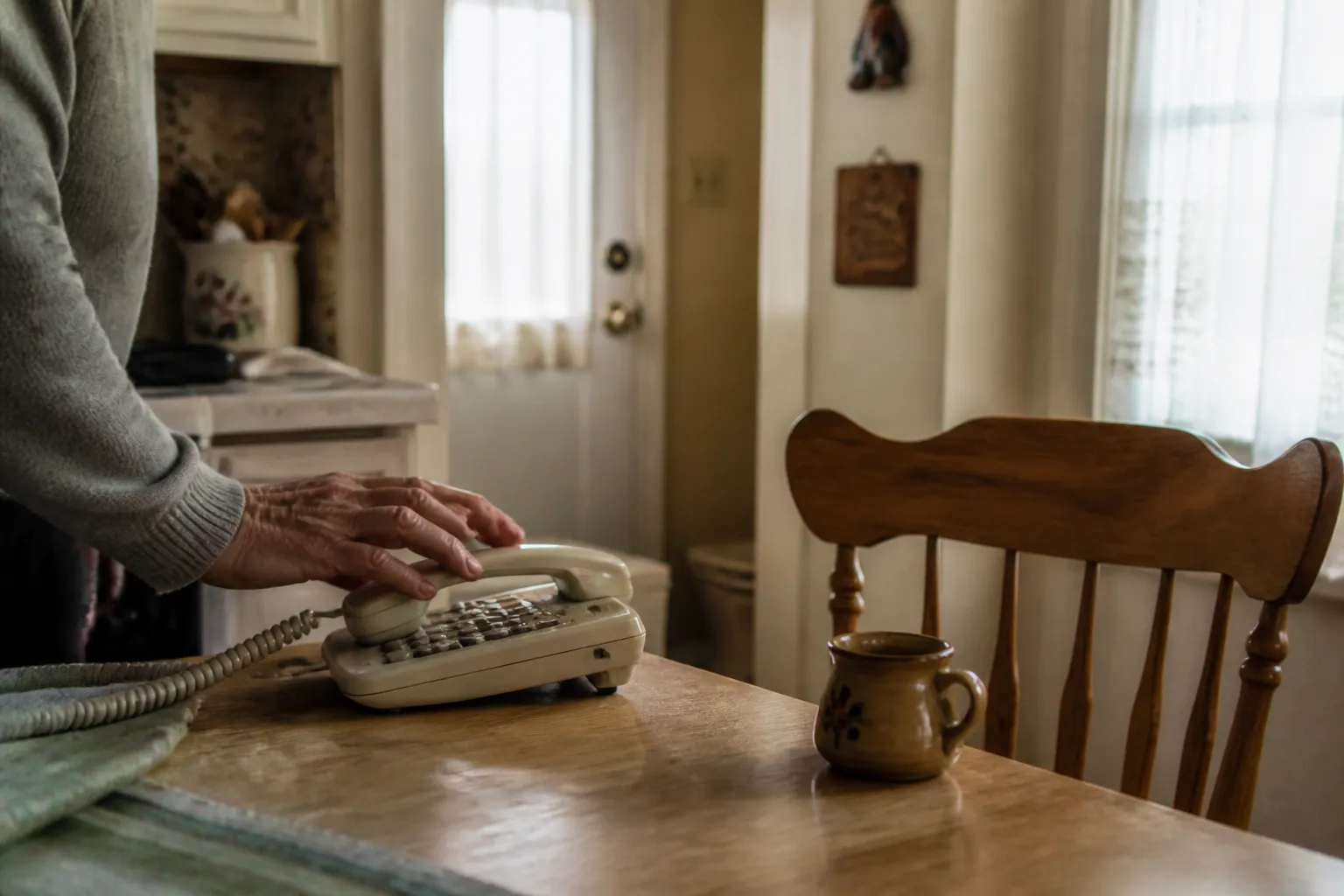
The call that rushes you
A voice insists that you act right away. Before you answer, take a moment to recognize what is really going on.
Discover the scene
Your bank is calling
An urgent call. An account supposedly at risk. Would you recognize the signs before you act?
Discover the scene
One email too many
A message looks official and asks you to act immediately. Should you click, or take time to check?
Discover the scene
The unexpected text
A simple text message can hide a trap. Discover why fraudsters want you to act quickly.
Discover the scene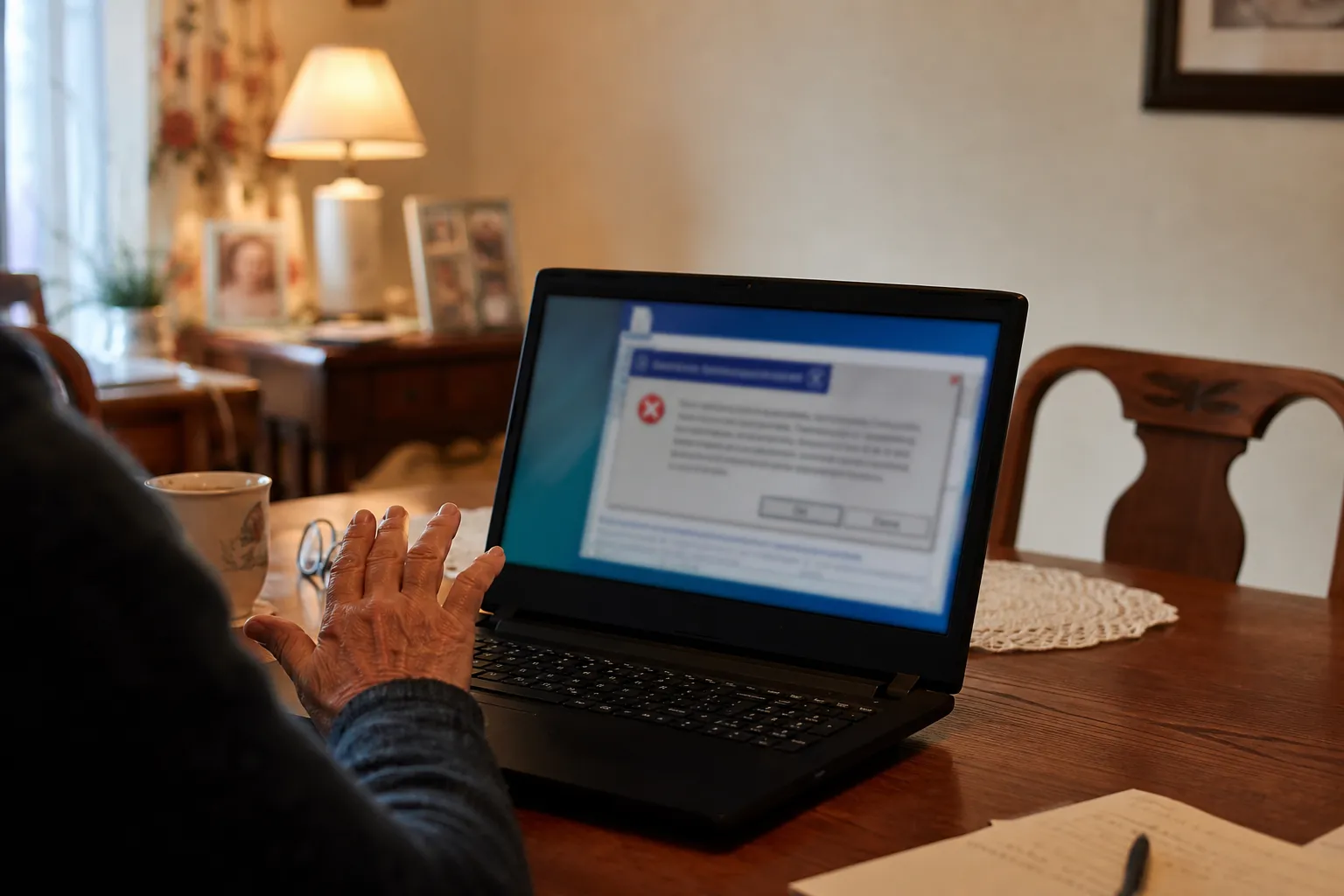
The fake expert
Someone claims they want to fix your computer. Reassuring help, or the start of a scam?
Discover the scene
The keys to your digital life
Your passwords protect your accounts and your information. One simple habit can make all the difference.
Discover the scene
“Grandma, it’s me…”
A familiar voice. An emergency. A request for money. A story designed to touch the emotions directly.
Discover the scene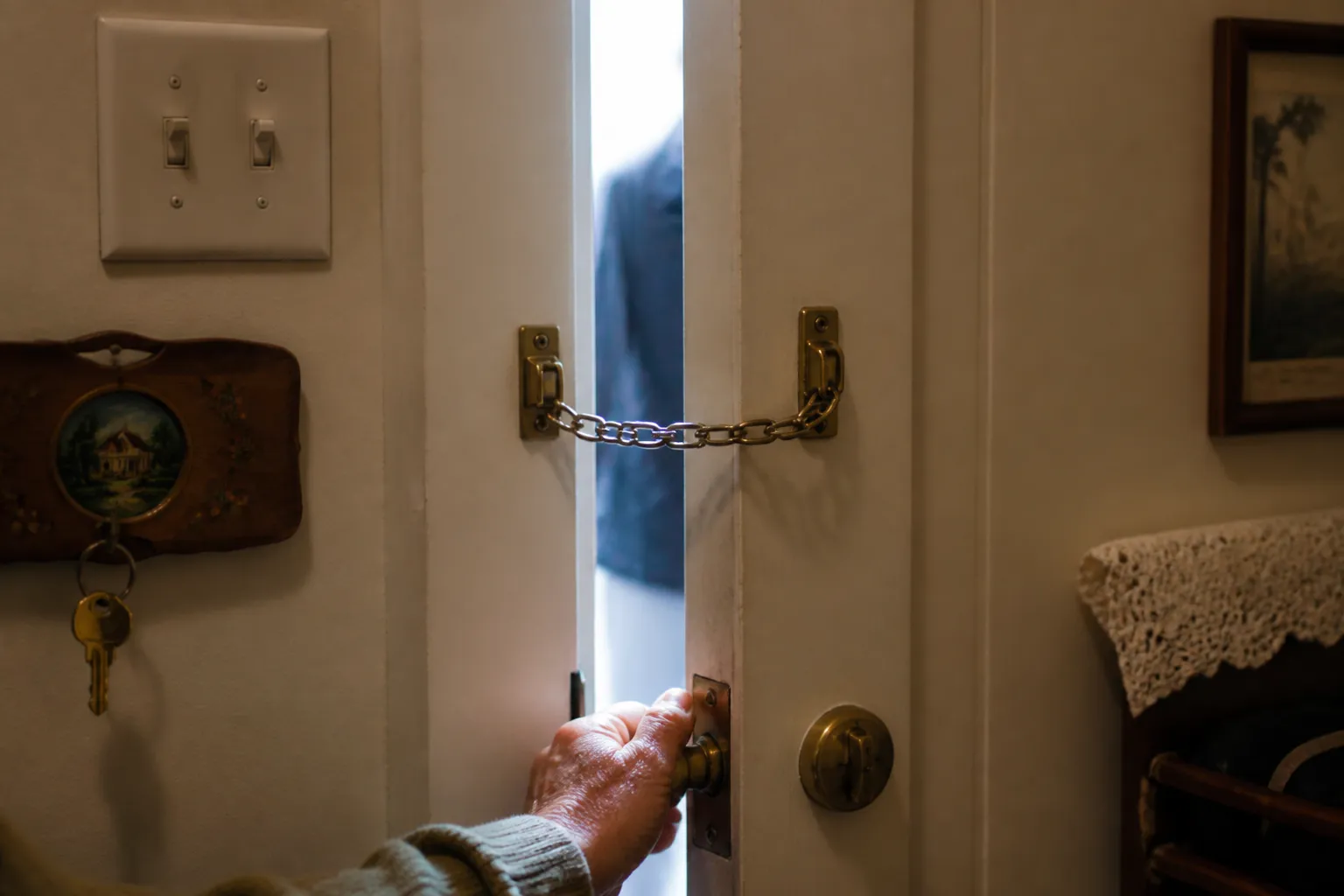
An unexpected visit
Someone knocks to offer a service or protection. How can you tell if that person is truly trustworthy?
Discover the scene
The perfect opportunity
An investment promises big gains with no risk. What should you do when an offer seems too good to be true?
Discover the scene
You’ve received money
An unexpected electronic deposit appears in your messages. Before you accept it or reply, it helps to understand what is going on.
Discover the scene
A call from the government
Taxes, police, or a fine: an authoritative voice asks you to pay immediately. Is this really an official agent?
Discover the scene
HELP RESOURCES
You’re not alone
Across Canada, programs offer advice, mentoring, and training made for older adults.
Get Cyber Safe
The Government of Canada campaign: clear advice and awareness workshops.
Visit the siteCyber-Seniors
Mentoring and technology support, often with help from young volunteers.
Visit the siteConnected Canadians
Digital literacy training designed for seniors, in workshops or one-on-one support.
Visit the site